Plan B Publishing Company
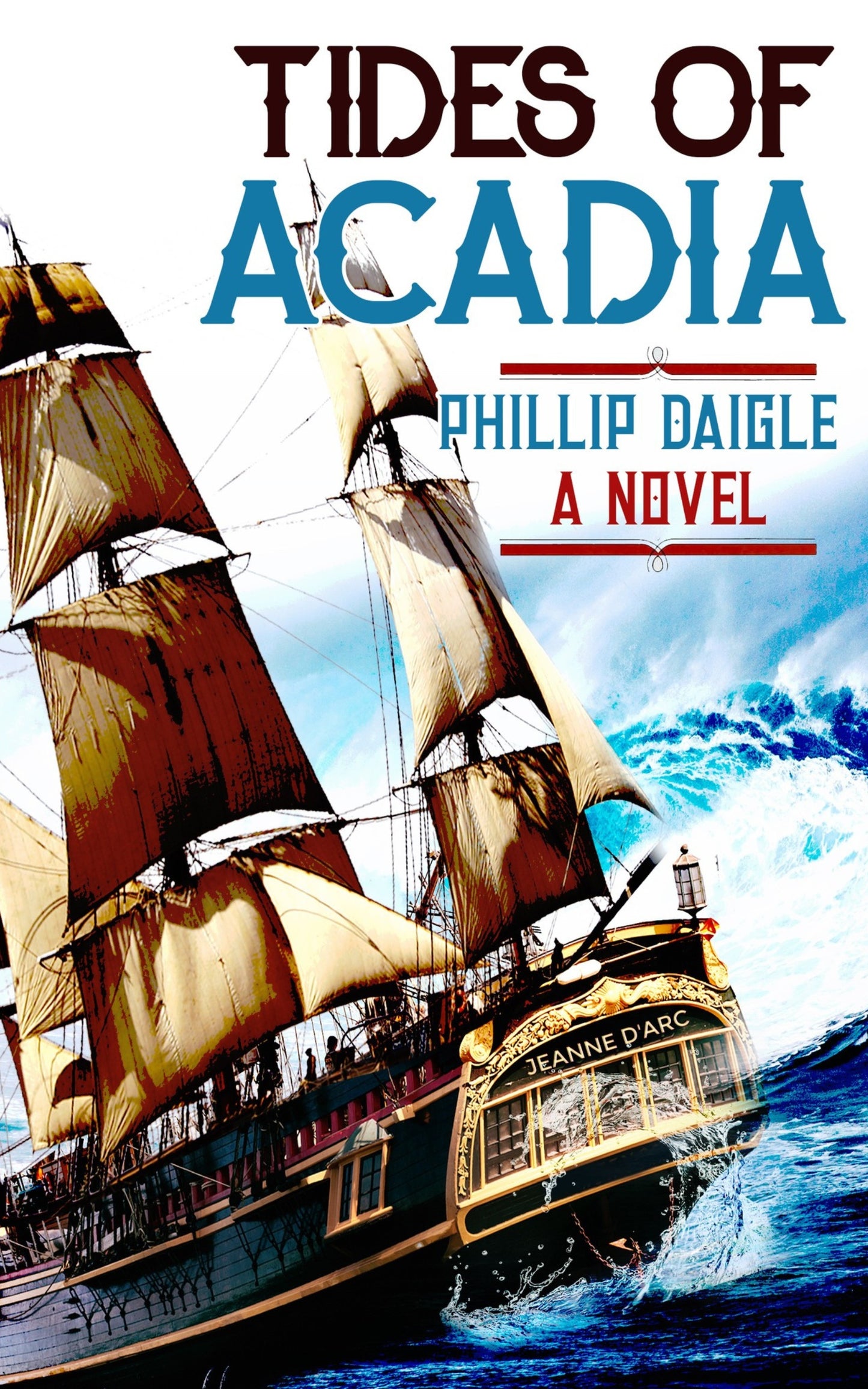
Tides of Acadia
Tides of Acadia
Taxes included
Couldn't load pickup availability
"Tides of Acadia is an epic story, artfully rendered, yet sweeping in its scope. Although it's clear that the author has done his historical homework, the rich details on parade here never overwhelm the narrative." — KIRKUS REVIEWS
Tides of Acadia follows Charles La Tour through the brutal calculus of 17th-century colonial survival, where every alliance carries a price and every decision risks catastrophe. Unlike conventional historical fiction that romanticizes frontier life, Daigle presents colonization as a series of moral compromises, particularly in Charles's evolving relationship with Indigenous peoples like the Maliseet, who view him as both a potential ally and an inevitable threat.
The novel's structure mirrors the Bay of Fundy's extreme tides—periods of intense action followed by contemplative interludes where characters confront the consequences of their choices.
Charles emerges as a conflicted protagonist torn between his father Claude's imperial ambitions and his genuine respect for Maliseet culture. His relationship with Françoise Jacquelin provides the novel's emotional anchor, particularly during their imprisonment sequence, where Daigle effectively uses confined space to intensify character development.
The novel succeeds in depicting colonization's human cost while avoiding simple villains. Daigle demonstrates particular strength in portraying Indigenous perspectives without appropriation.
"Tides of Acadia is an epic story, artfully rendered, yet sweeping in its scope. Although it's clear that the author has done his historical homework, the rich details on parade here never overwhelm the narrative." — KIRKUS REVIEWS
"Tides of Acadia is an epic story, artfully rendered, yet sweeping in its scope. Although it's clear that the author has done his historical homework, the rich details on parade here never overwhelm the narrative." — KIRKUS REVIEWS
"Tides of Acadia" follows Charles La Tour through the brutal calculus of 17th-century colonial survival, where every alliance carries a price and every decision risks catastrophe. Unlike conventional historical fiction that romanticizes frontier life, Daigle presents colonization as a series of moral compromises, particularly in Charles's evolving relationship with Indigenous peoples like the Maliseet, who view him as both a potential ally and an inevitable threat.
The novel's structure mirrors the Bay of Fundy's extreme tides—periods of intense action followed by contemplative interludes where characters confront the consequences of their choices.
Charles emerges as a conflicted protagonist torn between his father Claude's imperial ambitions and his genuine respect for Maliseet culture. His relationship with Françoise Jacquelin provides the novel's emotional anchor, particularly during their imprisonment sequence, where Daigle effectively uses confined space to intensify character development.
The novel succeeds in depicting colonization's human cost while avoiding simple villains. Daigle demonstrates particular strength in portraying Indigenous perspectives without appropriation.
Share